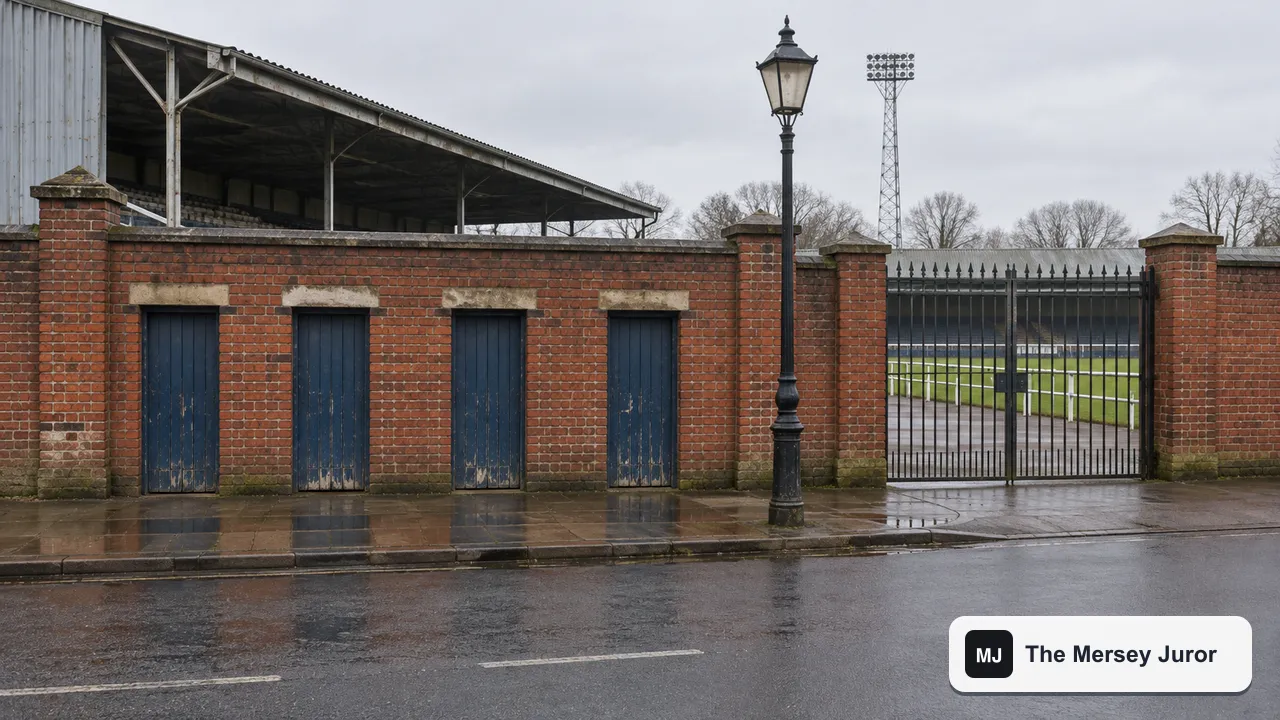
From next season, every club in the top five tiers of English men’s football will need a licence from the Independent Football Regulator to play. The regulator published its final licensing rules and guidance on 1 July 2026, and clubs must apply for and be granted a provisional licence ahead of the 2027/28 season. For supporters of Liverpool, Everton and everyone else, the headline is simple: the club badge, the home shirt colours and the stadium now have legal protection, and on some decisions clubs must show they have listened to fans.
Where this came from
The Football Governance Act 2025 received Royal Assent on 21 July 2025. The government’s announcement at the time set out the main jobs for the new body: financial regulation to keep clubs sustainable, statutory tests for owners and directors, a ban on clubs joining closed-shop breakaway competitions, backstop powers over how money is shared between leagues, and protection for heritage, including home shirt colours, badges and stadium moves. It also promised new standards for fan engagement in how clubs make decisions.
The regulator then spent the first half of 2026 consulting clubs, leagues and fan groups on how licensing would work in detail. The July rules are the result.
What a licence involves for a club
According to the regulator, all clubs in the top five divisions must apply through an online portal. As part of that, they complete a strategic business plan forecasting template, and once licensed they have to publish a statement explaining how they apply the regulator’s Football Club Corporate Governance Code. The point is financial resilience: stopping clubs from spending money they do not have and leaving supporters to pick up the pieces.
For a club the size of Liverpool or Everton this is mostly paperwork and governance. For a National League side on a tight budget, it is a much bigger change. Either way, the licence becomes the lever the regulator can pull if something goes badly wrong.
The protections fans should know about
Part 5 of the Act sets out duties that apply directly to clubs. The text on legislation.gov.uk is readable if you have half an hour, but these are the parts that matter most in the stands.
The ground
- Selling or mortgaging it. A regulated club needs the regulator’s approval before disposing of its home ground or using it as security for a loan.
- Moving away from it. A club needs approval before a team plays its home matches somewhere else. The regulator can approve only if the move would not undermine financial sustainability or cause significant harm to the club’s heritage, and the club must take reasonable steps to find out what fans think and consider those views.
Everton’s move to Bramley-Moore Dock happened before these rules applied, after years of planning and consultation. We looked back on what that move meant in Goodison Memories and the Move to the Waterfront. Under the new regime, a similar move would also have to clear the regulator.
Badge, colours and name
A club cannot make a material change to its crest or its predominant home colours unless it has taken reasonable steps to show that a majority of its fans support the change. A change of name needs the approval of the Football Association. Anyone who remembers a rebrand going down badly at another club will see why this was included.
Breakaway competitions
The regulator can stop clubs joining prohibited competitions, and when it decides what counts, it must seek the views of fans and consider the harm to English football’s heritage. Few supporters need reminding why that clause was written.
When things go wrong
If a regulated club enters insolvency proceedings, it must take reasonable steps to keep fans informed. That sounds modest, but anyone who has followed a club through administration knows how much the silence hurts.
What the regulator does not do
It is easy to expect too much. The regulator oversees clubs, not supporters, and it is not there to:
- pick managers or approve signings;
- set match ticket prices directly;
- change kick-off times or the fixture list;
- handle individual complaints about stewarding, refunds or seating.
Those issues stay with clubs, leagues and, where consumer law applies, the usual routes. Fan engagement standards may give supporters a stronger voice on pricing in future, but the Act’s heritage provisions do not mention ticket prices at all.
How supporters can use the new rules
A legal duty to consult fans only works if there are organised fans to consult. A few practical steps:
- Join your club’s recognised supporters’ trust or fan group. These are the bodies clubs will turn to when they need to show majority support or gather views.
- Read what your club publishes. Governance statements and fan engagement reports will become public documents. They are often dull. That is exactly why they are worth reading.
- Respond to consultations. The regulator has run public consultations through its own engagement site, and the Act requires it to seek fans’ views in specific situations.
- Keep the evidence. If a club ignores fans on a heritage issue, a clear written record of what was asked and how fans responded will matter.
The bigger question
We asked earlier this season who the Premier League is actually for. The regulator does not settle that argument, but it does write into law that clubs are more than assets to be traded. On Merseyside, where both clubs are bound up with the streets around them, that principle matters more than most of the technical detail. Supporters looking for advice on a specific legal or governance issue should speak to their supporters’ trust or a solicitor rather than relying on a summary like this one.